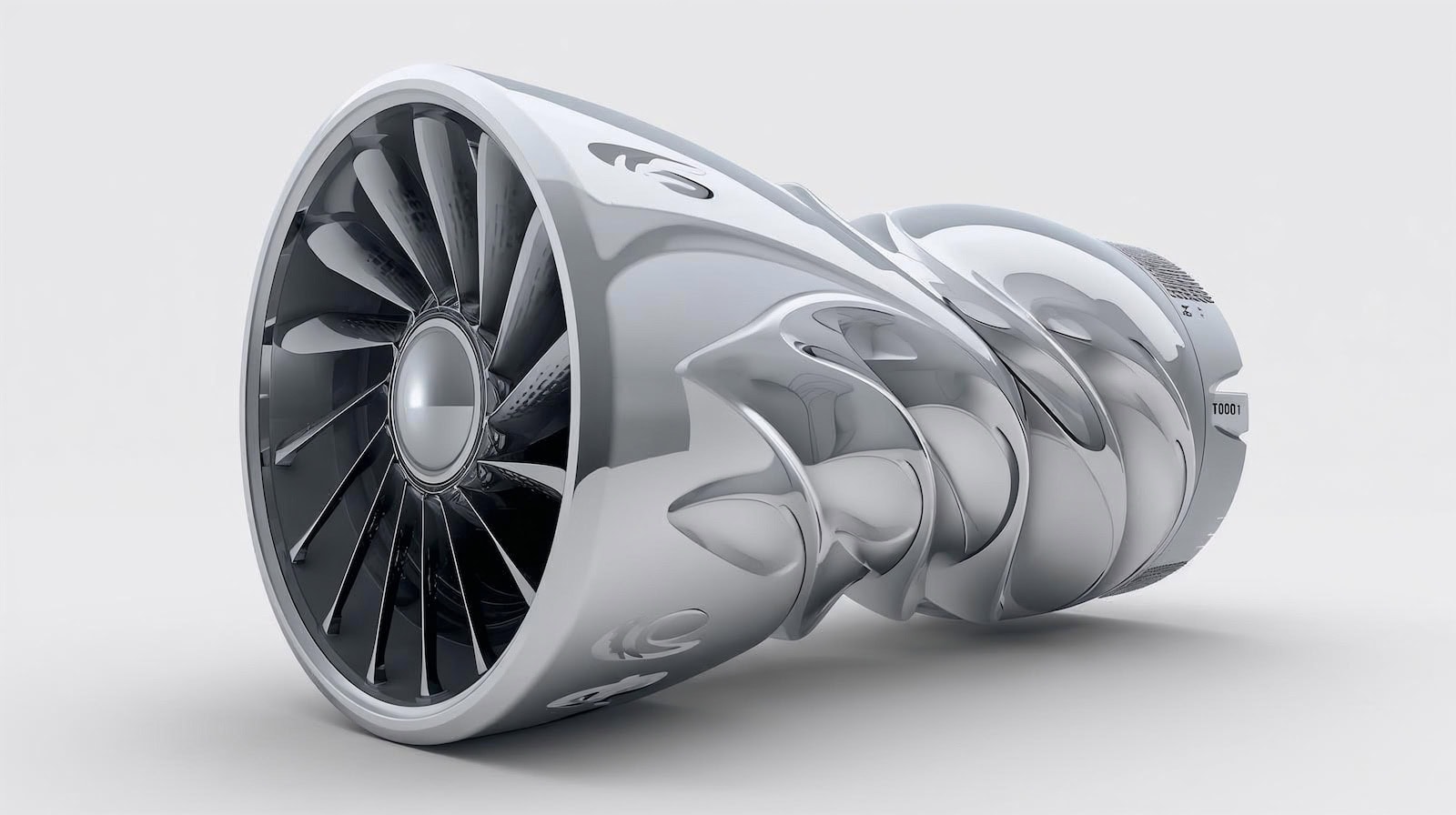
Freeform Surface Modeling: Unlocking Complex Shapes in Mechanical Design
Mechanical design often involves creating highly structured, precise parts that are easy to define using traditional CAD tools. However, there are times when a project requires more complex, organic shapes. These can be aerodynamic components in automotive or ergonomic designs in consumer products. This is where freeform surface modeling really shines.
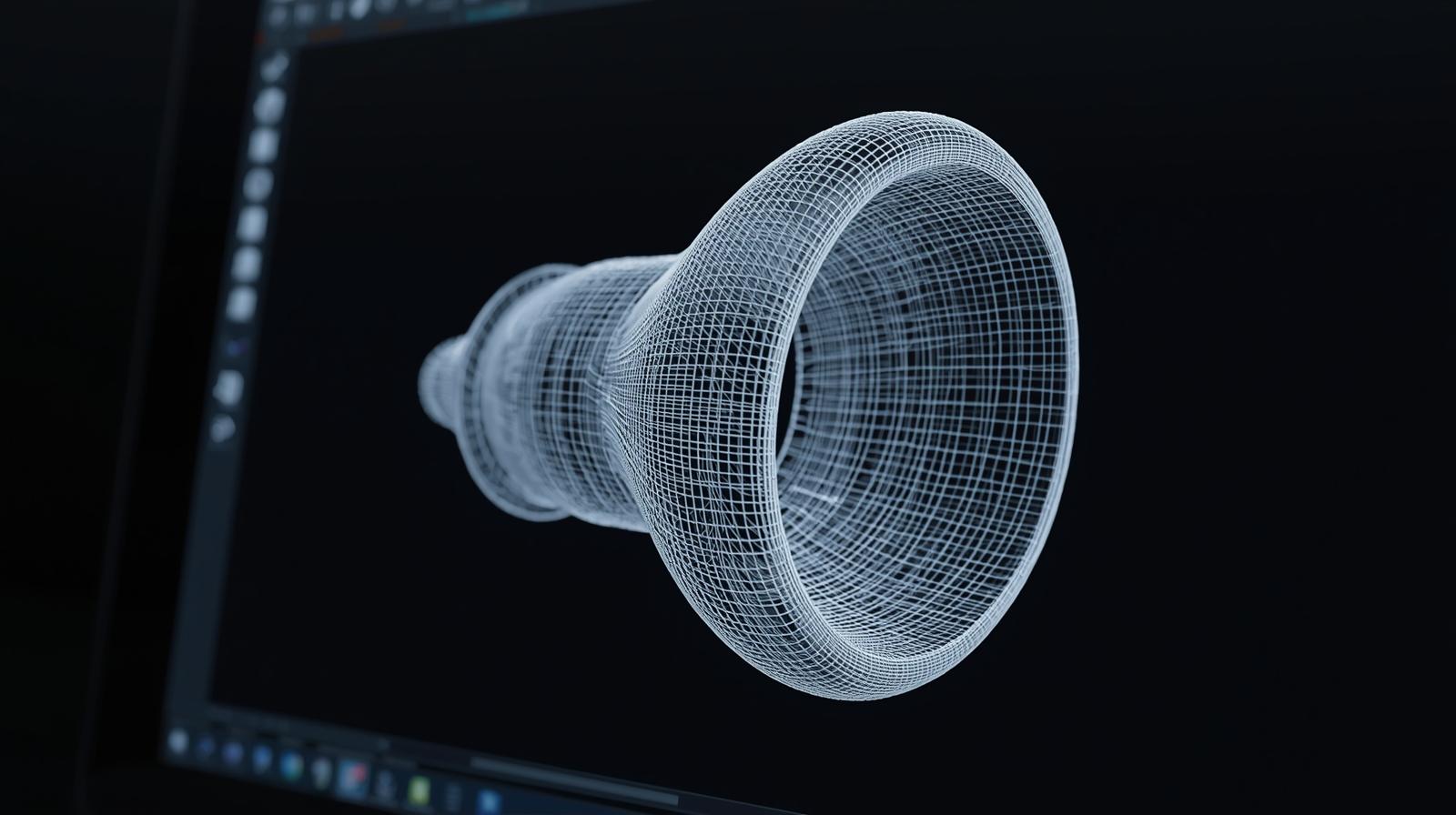
Freeform surface modeling enables designers to create smooth, flowing surfaces that traditional parametric tools may struggle to handle. Whether you’re designing products for better aesthetics, performance, or ergonomics, freeform surface modeling can unlock new possibilities in mechanical design.
Benefits of Freeform Surface Modeling
- Flexibility in Design
Unlike traditional CAD modeling, where features are defined by fixed parameters (such as height, width, and depth), freeform surface modeling allows for more artistic freedom. Designers can manipulate shapes more intuitively, resulting in fluid, complex surfaces that would be difficult or impossible to create with standard CAD tools.
Key Advantages:- Shape Versatility: Create organic forms that aren’t limited by geometric constraints.
- Enhanced Creativity: Experiment with flowing curves and intricate patterns to develop innovative designs.
- Rapid Prototyping: Quickly adjust and iterate designs without being limited by parametric constraints.
- Improving Aesthetics
In industries where aesthetics are crucial—such as automotive, consumer electronics, or industrial design—freeform surface modeling allows designers to craft more visually appealing products. Smooth, flowing lines often enhance the overall appearance of products, making them more attractive to consumers.
Examples:- Automotive Design: Sleek, aerodynamic shapes can reduce drag while enhancing the look of the vehicle.
- Consumer Products: Ergonomically designed tools and gadgets that fit comfortably in the hand often rely on freeform surface modeling to achieve their contoured shapes.
- Enhanced Functionality
Freeform surfaces are not just about aesthetics; they can also improve a product’s performance. For instance, aerodynamic shapes created through freeform modeling can reduce drag in vehicles, improving fuel efficiency. In the medical device industry, freeform surfaces can result in better ergonomic designs that enhance usability and comfort for end-users.
Applications:- Aerodynamics: Create airflow-optimized shapes for vehicles or airplanes.
- Ergonomics: Design products that conform to the human body for improved user comfort, such as tools, equipment, or medical devices.
Key Tools for Freeform Surface Modeling
- SolidWorks
SolidWorks offers advanced freeform surface modeling features through tools like Surface Loft, Boundary Surfaces, and Freeform. These allow designers to manipulate complex shapes with precision.
Key Features:- Lofting and Blending: Smoothly transition between different shapes to create continuous surfaces.
- Surface Filleting: Add rounded edges to surfaces to enhance the product’s final appearance and functionality.
- CATIA
CATIA is widely used in industries like aerospace and automotive, where advanced freeform modeling is often required. Its Generative Shape Design (GSD) module allows for highly detailed surface manipulation.
Key Features:- Surface Filleting and Blending: Ensure smooth transitions between different geometric entities.
- Adaptive Surface Modeling: Design surfaces that react to environmental constraints like aerodynamics.
- Rhino 3D
Rhino is well-known for its powerful freeform modeling capabilities. With its intuitive interface and large array of surface creation tools, Rhino is ideal for industrial designers and engineers who need precision combined with creativity.
Key Features:- NURBS Modeling: Non-uniform rational basis spline (NURBS) modeling provides the flexibility to create smooth, accurate surfaces.
- Mesh and Surface Editing: Modify surfaces at a granular level to perfect complex shapes.
Techniques for Effective Freeform Surface Modeling
- Lofting and Blending
Lofting and blending are fundamental techniques for freeform surface modeling. Lofting allows designers to create surfaces by specifying profiles that transition smoothly from one to another. Blending ensures that surfaces seamlessly merge together, eliminating sharp edges and improving aesthetics.
Best Practices:- Use lofting for complex transitions, such as from a square base to a circular top.
- Blend surfaces where multiple parts of the model meet to avoid hard edges and ensure a continuous look.
- Filleting and Chamfering
Adding fillets (rounded edges) or chamfers (beveled edges) is essential for both aesthetics and functionality. In freeform modeling, these techniques help create visually appealing surfaces that are also structurally sound.
Best Practices:- Apply fillets to sharp edges to improve the product’s ergonomics and safety.
- Use chamfers in mechanical components where a clean, angular finish is desired.
- Surface Analysis
Freeform surfaces need to be visually appealing but also functional. Surface analysis tools in CAD software can evaluate curvature, smoothness, and continuity between surfaces. This ensures that the product will not only look good but also perform well in real-world applications.
Best Practices:- Regularly use surface analysis tools to check for imperfections such as bumps, ripples, or gaps.
- Test for tangency and curvature continuity to ensure smooth transitions between adjacent surfaces.
Applications of Freeform Surface Modeling
- Automotive Design
Freeform modeling is heavily used in automotive design to create smooth, aerodynamic shapes that reduce drag and improve vehicle performance. Designers can fine-tune car bodies to achieve both a visually striking look and optimal aerodynamic efficiency. - Consumer Electronics
From smartphones to smartwatches, consumer electronics require compact, ergonomic designs that often feature curved surfaces. Freeform modeling enables designers to craft sleek, comfortable devices that appeal to consumers while fitting comfortably in the hand. - Medical Devices
Freeform surface modeling plays a crucial role in developing medical devices that must conform to the human body. By designing smooth, contoured surfaces, engineers can create products that improve patient comfort and usability, such as prosthetics, orthopedic tools, or wearable health monitors.
Conclusion
Freeform surface modeling is a powerful technique that unlocks the potential for creating complex, organic shapes in mechanical design. Whether you’re working in automotive, aerospace, or consumer electronics, freeform modeling offers flexibility, aesthetic advantages, and enhanced functionality. By using advanced CAD tools like SolidWorks, CATIA, or Rhino, you can push the boundaries of design and create products that not only look great but also perform exceptionally.
Mastering techniques like lofting, blending, and filleting ensures your freeform surfaces are both precise and visually appealing. If your project demands complex, flowing shapes, incorporating freeform surface modeling into your design process is a must.
Contact Albus Engineering to discuss your next project. From mechanical design and analysis to technical documentation, our team delivers precise and reliable support at every stage of development. Explore our services to learn more.
Share This Story, Choose Your Platform!
About the author : Albus Content Team