Assembly Modeling in CAD: Best Practices for Complex Projects
Assembly modeling is at the heart of mechanical design. It allows engineers to bring together multiple parts and create complete products that are functional, manufacturable, and structurally sound. For complex projects, such as automotive systems or consumer electronics, effective assembly modeling becomes essential for evaluating fit, function, and behavior before production begins. Modern CAD software has transformed how assemblies are created and managed. With tools for mating, organizing subassemblies, and automating documentation, engineers can streamline workflows and reduce errors. In this post, we explore best practices for assembly modeling in CAD, focusing on methods that support accuracy, efficiency, and better project outcomes.
Best Practices for Assembly Modeling in CAD
Top-Down vs. Bottom-Up Design
When building an assembly in CAD, choosing the right design approach is key. The two primary methods are top-down and bottom-up, and each supports different types of projects.
To-Down Design
Top-down design is ideal for projects with highly integrated components. Parts are created within the context of the full assembly, which helps ensure that all components fit together properly.
Use top-down design when components depend on one another or when changes in one part affect others. Complex systems like engines, gearboxes, or enclosures often benefit from this approach.
Bottom-Up Design
Bottom-up design focuses on creating parts independently and assembling them afterward. This method works well for simpler assemblies where components are standardized or modular.
Use bottom-up design when parts can be designed separately without the need for continuous adaptation in the assembly.
Using Mates and Constraints
Mates control how parts fit and interact within an assembly. Correctly applying mates ensures that parts align properly and move as intended.
- Concentric Mates: Use for aligning cylindrical features such as shafts, holes, and bearings.
- Coincident Mates: Use for aligning flat surfaces and ensuring components remain flush.
- Distance and Angle Mates: Use when controlling spacing, rotation, or orientation between parts.
A clear and simple mating strategy reduces errors and supports predictable assembly behavior.
Subassemblies for Complex Projects
Subassemblies help manage large or intricate assemblies by grouping related components into smaller, more manageable units.
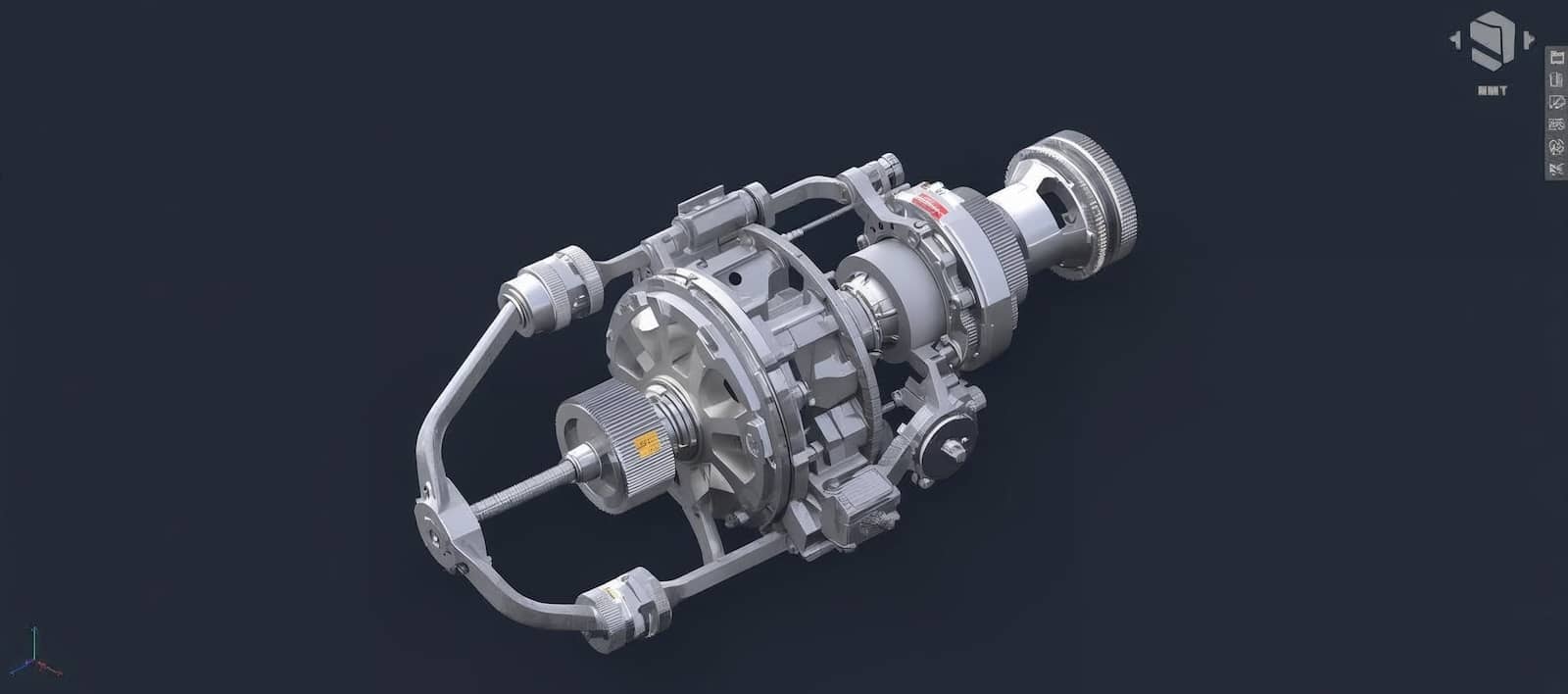
- Group related components: For example, in an engine assembly, group the piston, crankshaft, and connecting rod as a subassembly.
- Control motion within subassemblies: Test functional movement without affecting the entire assembly.
- Use subassemblies to simplify the main model: This improves performance and makes editing easier.
Bill of Materials (BOM) Automation
An accurate Bill of Materials is essential for manufacturing. Most CAD software can generate a BOM automatically based on the assembly.
- Automate BOM creation: Generate BOMs directly from your assembly for consistent and up-to-date data.
- Include subassemblies: Provide a clear picture of the full product structure.
- Track part quantities: Reduce the risk of under- or over-ordering components.
Avoiding Common Pitfalls
- Misalignments Between Parts and Subassemblies
- Misalignments can cause issues such as interference, incorrect motion, or assembly failure. Use your CAD system’s interference detection tools and check alignment regularly during the assembly process.
- Excessive Mates Slowing Down Performance
- Too many mates can slow down CAD performance, especially in large assemblies. Apply only the necessary mates and simplify where possible. Use minimal mate sets that still achieve the correct behavior.
- Overcomplicating Early Design Stages
- Adding too much detail early in the assembly can make it harder to iterate and may slow modeling performance. Focus on essential components first. Add detailed features such as fasteners or surface details later, once the core assembly is stable.
Final Thoughts
Mastering assembly modeling in CAD is essential for managing complex mechanical projects. By selecting the right design approach, applying mates thoughtfully, leveraging subassemblies, and using automated BOM tools, you can streamline your workflow and reduce errors. Avoiding common pitfalls such as misalignment or excessive detail helps you maintain clarity and efficiency throughout the design process.
Whether you are developing a complex mechanical system or a smaller consumer product, following these best practices will help you create high-quality assemblies that are accurate, manufacturable, and ready for real-world use.
Contact Albus Engineering to discuss your next project. From mechanical design and analysis to technical documentation, our team delivers precise and reliable support at every stage of development. Explore our services to learn more.
Share This Story, Choose Your Platform!
About the author : Albus Content Team