Finite Element Modeling for Stress Analysis: How It Enhances Product Durability
Designing durable products requires more than meeting dimensional requirements. Engineers must understand how parts respond to real world forces, loads, and environmental conditions over time. This is where finite element modeling for stress analysis plays a critical role.
Finite element modeling allows engineers to simulate how a product behaves under stress before it is ever manufactured. By identifying weak points early in the design process, teams can improve durability, reduce failures, and avoid costly redesigns. In modern mechanical design, finite element modeling has become an essential tool for creating reliable, high performing products.
What Is Finite Element Modeling
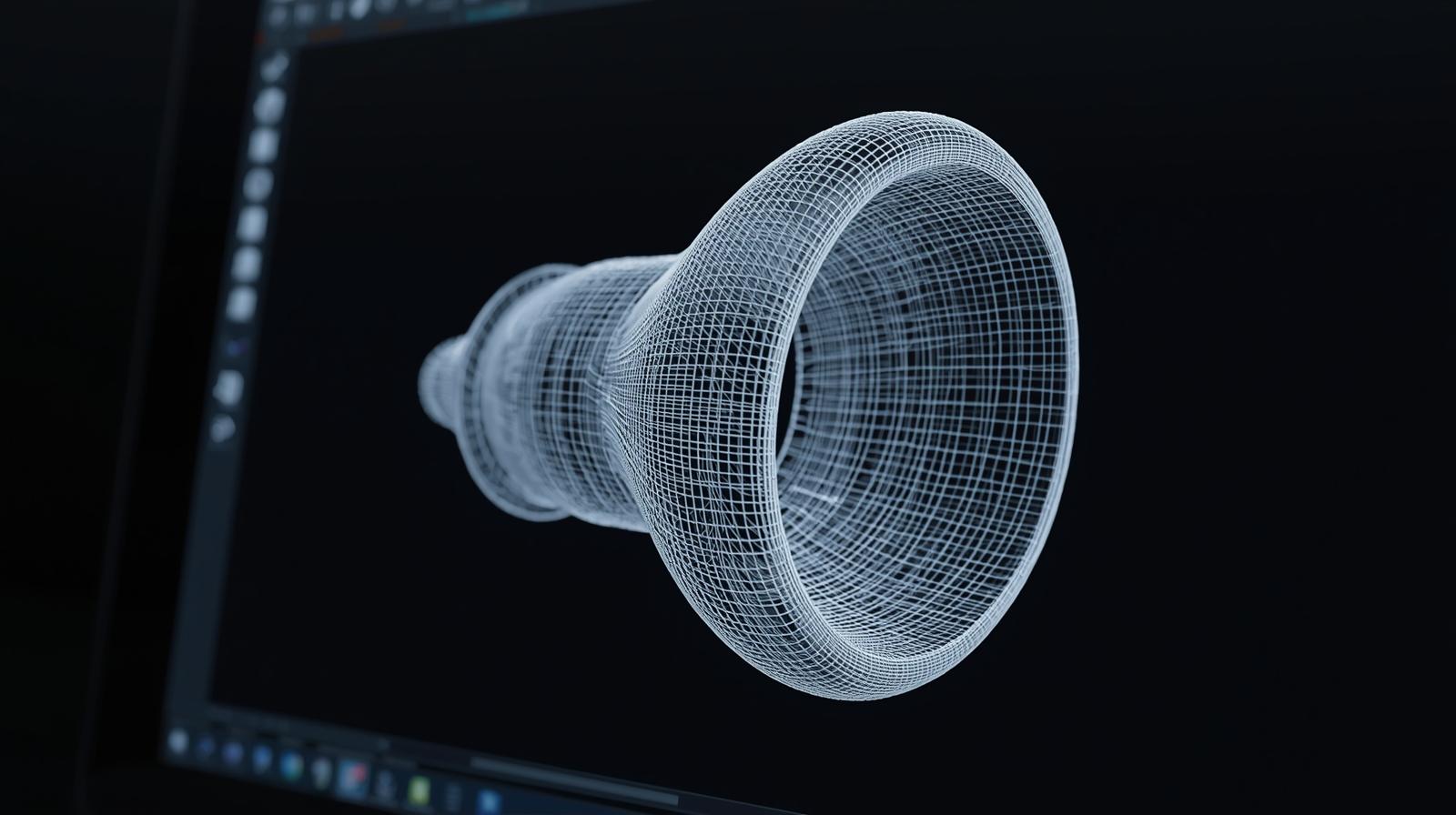
Finite element modeling is a numerical method used to predict how a component or assembly reacts to physical forces. The model is divided into many small elements that work together to approximate real world behavior.
Each element is assigned material properties, constraints, and loads. The software then calculates stress, strain, deformation, and other performance metrics across the entire model. This approach allows engineers to analyze complex geometries that would be difficult or impossible to solve analytically.
When applied to stress analysis, finite element modeling helps engineers understand how forces distribute throughout a part and where failure is most likely to occur.
Why Stress Analysis Matters in Product Durability
Stress analysis is directly tied to how long a product will last under normal and extreme conditions. Even well designed parts can fail prematurely if stress concentrations are overlooked.
Key durability benefits include:
- Identifying high stress regions before manufacturing
- Reducing the risk of cracks, fatigue, or deformation
- Improving safety margins for load bearing components
- Supporting informed material selection
By evaluating stress early, engineers can design parts that perform reliably throughout their intended lifecycle.
How Finite Element Modeling Enhances Durability
Early Detection of Design Weaknesses
Finite element modeling allows engineers to visualize stress concentrations that may not be obvious in CAD geometry alone. Sharp corners, thin walls, and abrupt transitions often create localized stress that can lead to failure.
By identifying these areas early, designers can modify geometry, adjust thickness, or improve load paths before committing to tooling or production.
Material Optimization
Stress analysis helps determine whether a chosen material is appropriate for the expected loads. In some cases, it reveals that a lighter or more cost effective material can still meet performance requirements. In others, it highlights the need for stronger alloys or composites.
This balance improves durability while avoiding unnecessary material costs.
Load and Boundary Condition Testing
Products rarely experience a single static load. Finite element modeling allows engineers to simulate multiple loading scenarios, including operational loads, impact forces, and worst case conditions.
Testing these scenarios virtually ensures the product can withstand real world use without excessive wear or failure.
Common Applications of Stress Analysis
Mechanical Components
Brackets, housings, frames, and fasteners all benefit from stress analysis. Finite element modeling ensures these components maintain structural integrity under expected loads.
Industrial Equipment
Heavy machinery and production equipment must endure repeated stress cycles. Modeling helps predict fatigue life and reduces the risk of unexpected downtime.
Consumer Products
Even everyday products experience stress during use. Finite element modeling helps improve durability while maintaining sleek designs and lightweight structures.
Tools Commonly Used for Finite Element Modeling
Several industry standard tools support finite element modeling for stress analysis. These tools allow engineers to simulate complex conditions with a high level of accuracy.
Common platforms include ANSYS, SolidWorks Simulation, and Abaqus. Each offers powerful capabilities for evaluating stress, deformation, and durability across a wide range of applications.
Best Practices for Accurate Stress Analysis
Use Realistic Constraints
Accurate results depend on properly defining how a part is supported or connected. Over constraining or under constraining the model can significantly skew results.
Validate Mesh Quality
Mesh density plays a major role in accuracy. Areas with high stress gradients require finer meshes to capture behavior correctly.
Verify Results Against Engineering Judgment
Finite element modeling is a powerful tool, but results should always be reviewed alongside engineering experience and design intent. Unexpected results often indicate modeling assumptions that need refinement.
Conclusion
Finite element modeling for stress analysis is a cornerstone of modern mechanical design. It allows engineers to predict performance, improve durability, and reduce risk long before physical prototypes are built.
By identifying stress concentrations, optimizing materials, and validating designs under realistic conditions, finite element modeling helps create products that last longer and perform better. For projects where reliability and durability matter, incorporating stress analysis into the design process is not optional. It is essential.
Contact Albus Engineering to discuss your next project. From mechanical design and analysis to technical documentation, our team delivers precise and reliable support at every stage of development. Explore our services to learn more.
Share This Story, Choose Your Platform!
About the author : Albus Content Team