Mastering the Mechanical Design Process: From Concept to Final Product
The mechanical design process is a structured approach that transforms ideas into physical products. It involves several stages, from initial concept development to final production. Mastering each stage of this process is essential for designing products that meet functional, aesthetic, and manufacturability requirements.
Understanding and optimizing the steps helps reduce costs, minimize redesigns, and improve product quality. This post breaks down the key stages of the process and shares best practices to help you efficiently navigate from concept to final product.
Key Stages of the Mechanical Design Process
1. Conceptualization
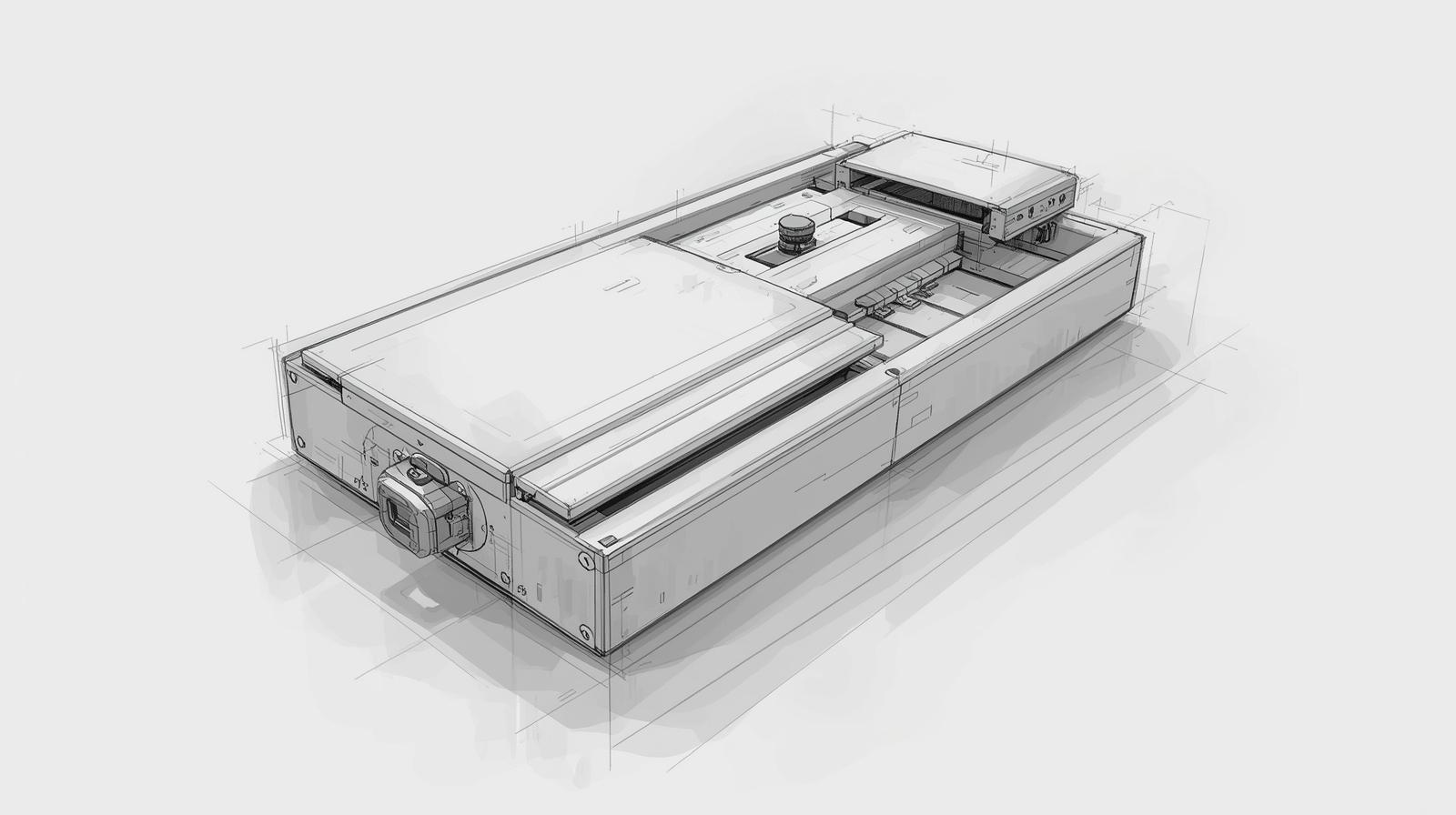
The design process begins with conceptualization, where you identify the problem you’re solving and define the product’s requirements. This stage involves brainstorming potential solutions, researching similar products, and outlining the main objectives of the design.
Best Practices:
- Clearly define the problem and desired outcome.
- Use rough sketches or simple CAD models to visualize early ideas.
- Gather input from designers, engineers, and customers to ensure the concept meets all needs.
2. Preliminary Design
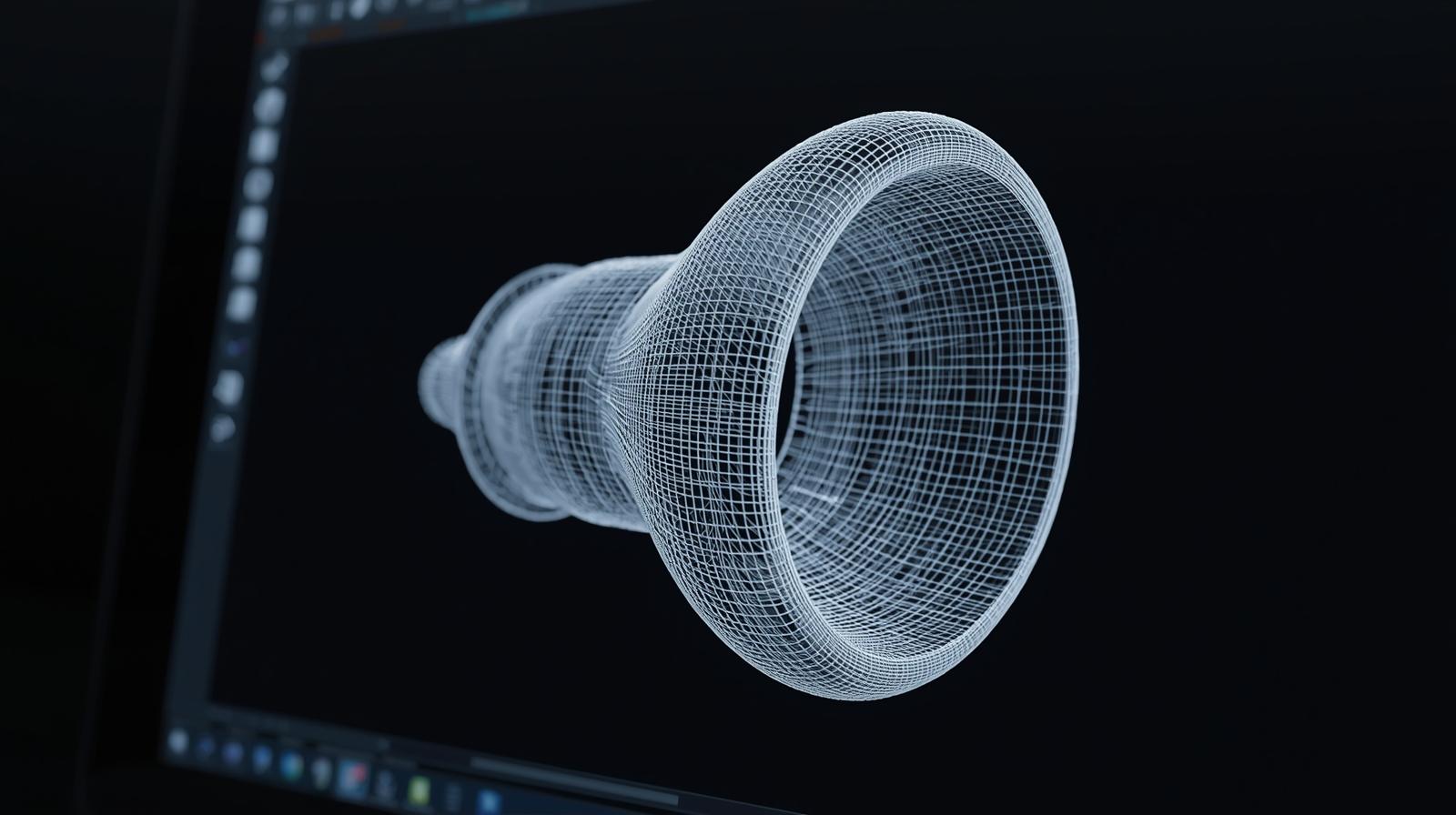
During the preliminary design phase, the concept begins to take shape. Engineers and designers create initial CAD models that outline the product’s form and function. At this stage, you refine overall shape, dimensions, and major components.
Best Practices:
- Focus on functionality without getting bogged down by small details.
- Explore multiple design variations.
- Collaborate with engineering and manufacturing stakeholders to validate direction.
3. Detailed Design
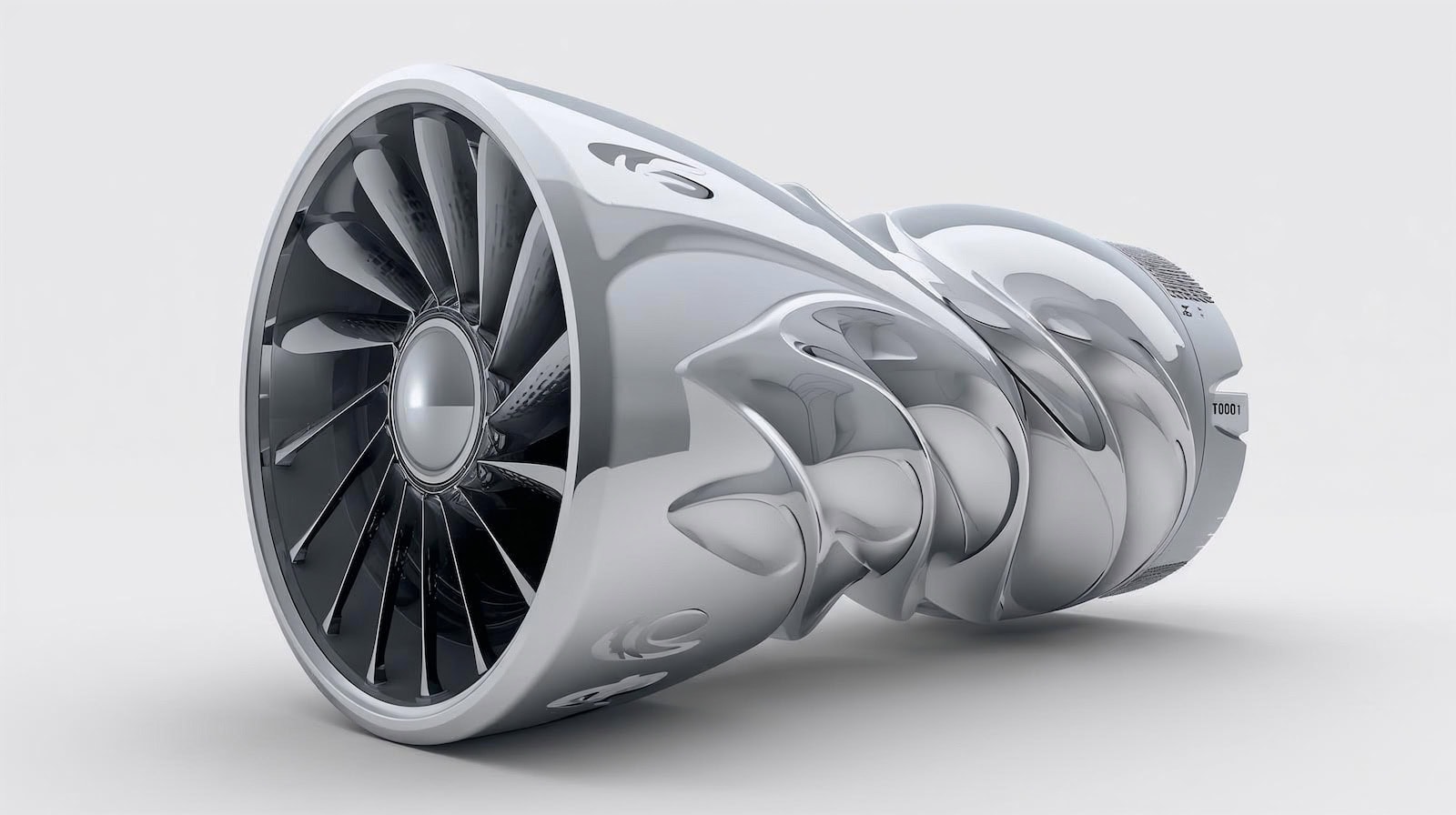
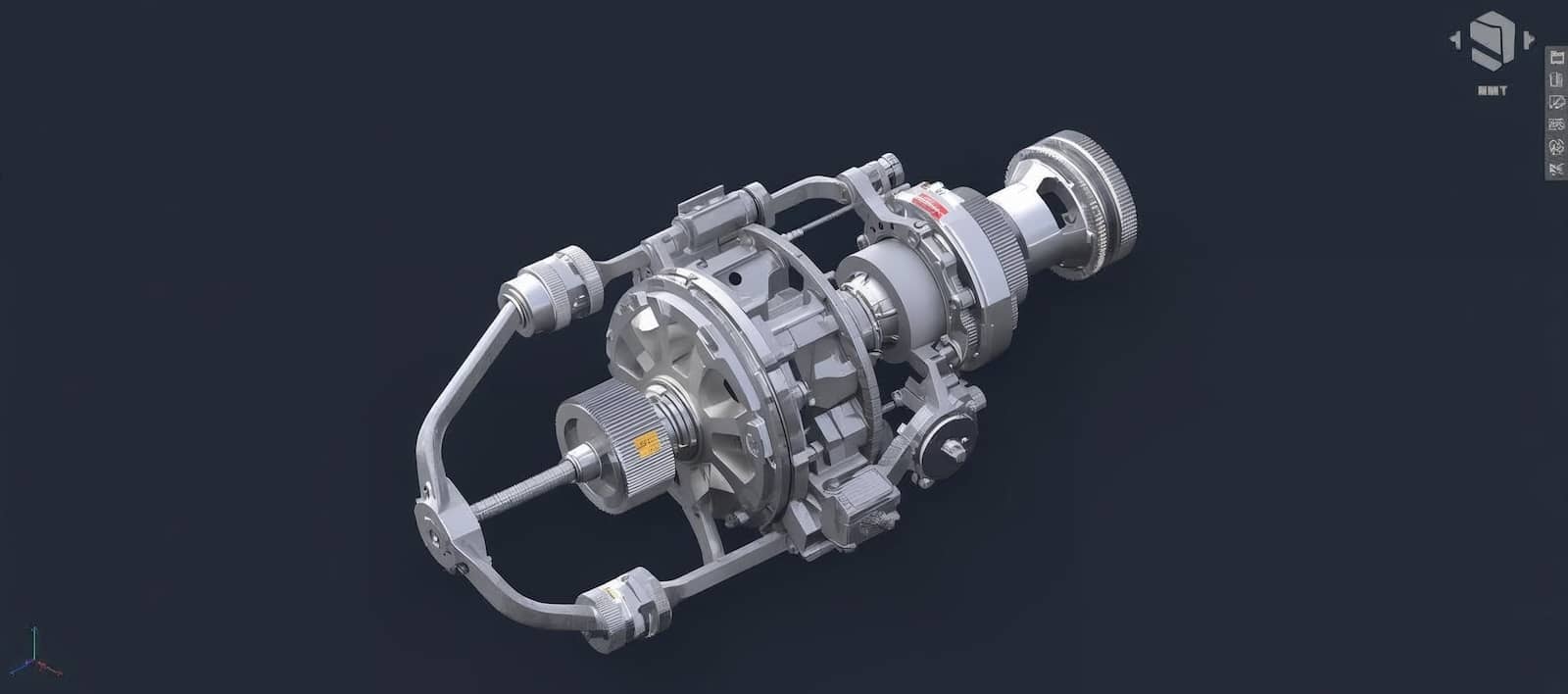
Once the preliminary design is approved, the detailed design stage begins. Here you create fully developed 3D CAD models that include all components, materials, and technical specifications. This requires evaluating tolerances, selecting materials, and assessing mechanical performance.
Best Practices:
- Use parametric modeling to keep design changes flexible.
- Perform simulations early (e.g., stress, thermal, vibration analysis).
- Work closely with manufacturers to ensure the design is efficient to produce.
4. Prototyping & Testing
After completing the detailed design, prototyping and testing verify the product’s performance. Digital prototypes (through simulation) or physical prototypes allow engineers to test the design under real-world conditions.
Best Practices:
- Use rapid prototyping methods like 3D printing for quick iteration.
- Test durability, functionality, and safety.
- Iterate based on results before moving into production.
5. Final Design and Documentation
Once the prototype meets all requirements, the final design is prepared for production. This includes creating technical documentation such as assembly drawings, manufacturing specifications, and the bill of materials (BOM).
Best Practices:
- Ensure all technical drawings include correct dimensions, tolerances, and materials.
- Build a complete BOM for production teams.
- Review documentation with manufacturing partners before release.
Best Practices for Mastering the Mechanical Design Process
To excel at the mechanical design process, approach each stage with discipline and collaboration:
- Iterate and test early: Early testing catches issues before they become expensive problems.
- Collaborate across teams: Designers, engineers, and manufacturers should contribute throughout the process.
- Use the right CAD and simulation tools: Software like SolidWorks, Autodesk Inventor, and Fusion 360 streamline design, simulation, and documentation.
From Concept to Final Product
Mastering the mechanical design process from conceptualization to the final product is essential for developing successful, reliable, and manufacturable products. By following a structured approach, iterating early, and leveraging modern design tools, you can improve product quality, reduce time to market, and streamline development.
Through collaboration and disciplined design practices, you can navigate each stage with confidence and deliver products that meet both functional and market needs.
Contact Albus Engineering to discuss your next project. From mechanical design and analysis to final documentation, we’ve got you covered. Explore our services to learn more.
Share This Story, Choose Your Platform!
About the author : Albus Content Team