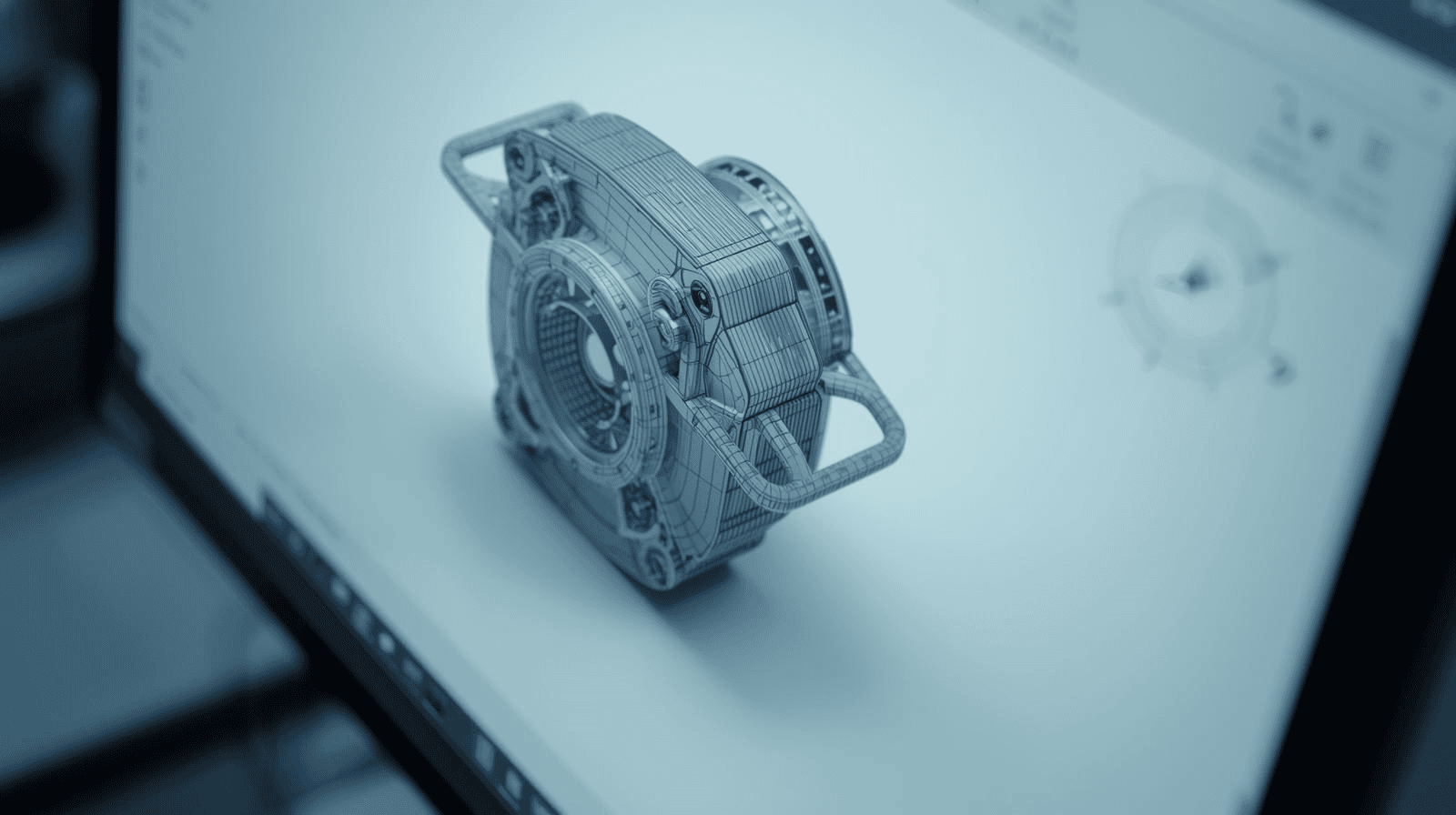
Digital Prototyping: Transforming Early-Stage Product Development
Product development involves turning an idea into a tangible, functional product. Traditionally, that meant building multiple physical prototypes—an expensive and time-consuming process. With the rise of digital prototyping, teams can now design, test, and refine products virtually before investing in production.
Digital prototyping is a game-changer for early-stage product development, offering benefits such as cost reduction, faster iterations, and improved design accuracy. In this post, we’ll explore why digital prototyping should be a crucial part of your product development process.
What Is Digital Prototyping?
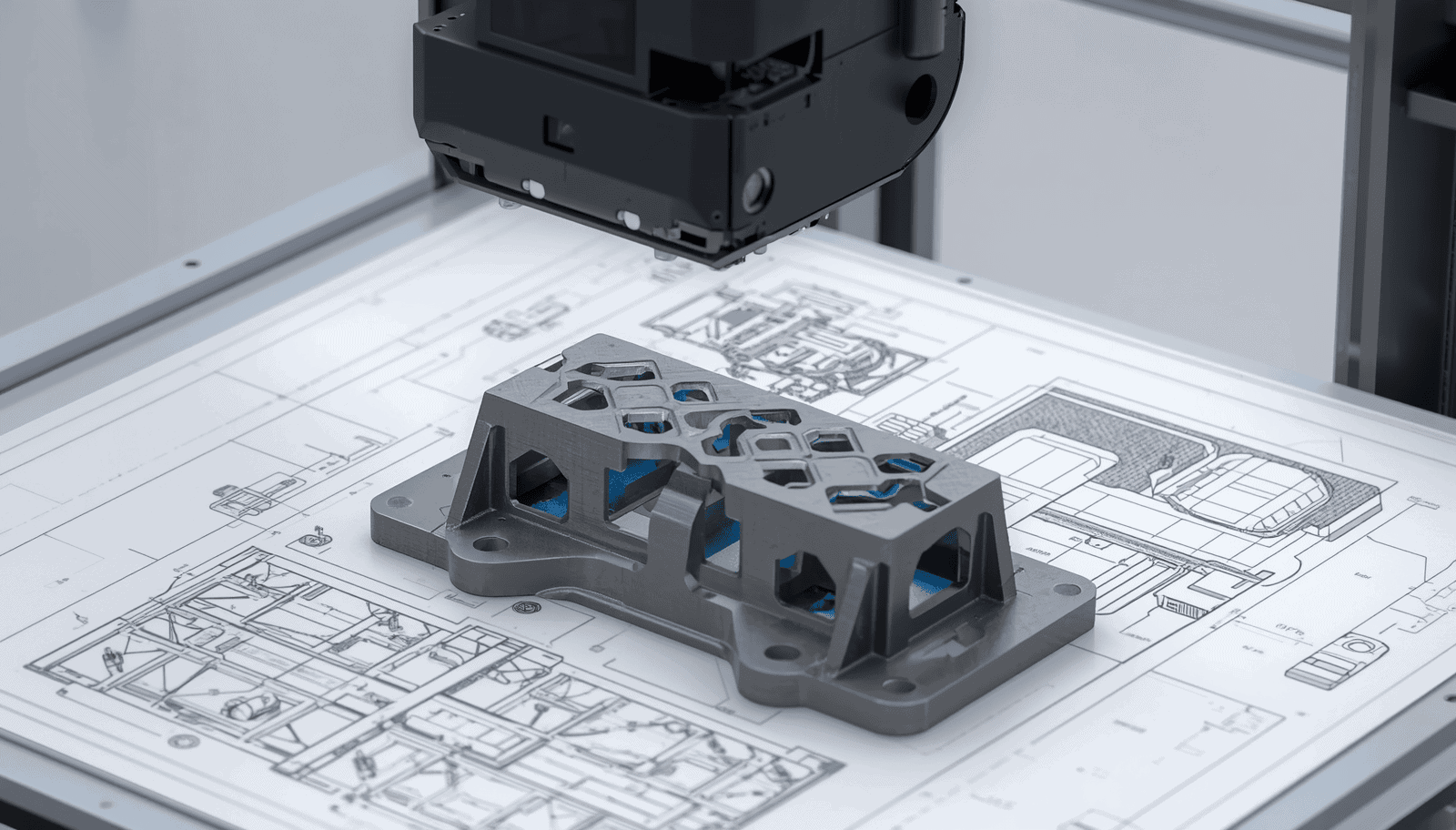
Digital prototyping uses 3D CAD modeling (computer aided design) to virtually simulate a product’s form and function. This process allows designers and engineers to test ideas in a digital environment, making it easier to refine designs, predict performance, and address potential issues before building a physical prototype.
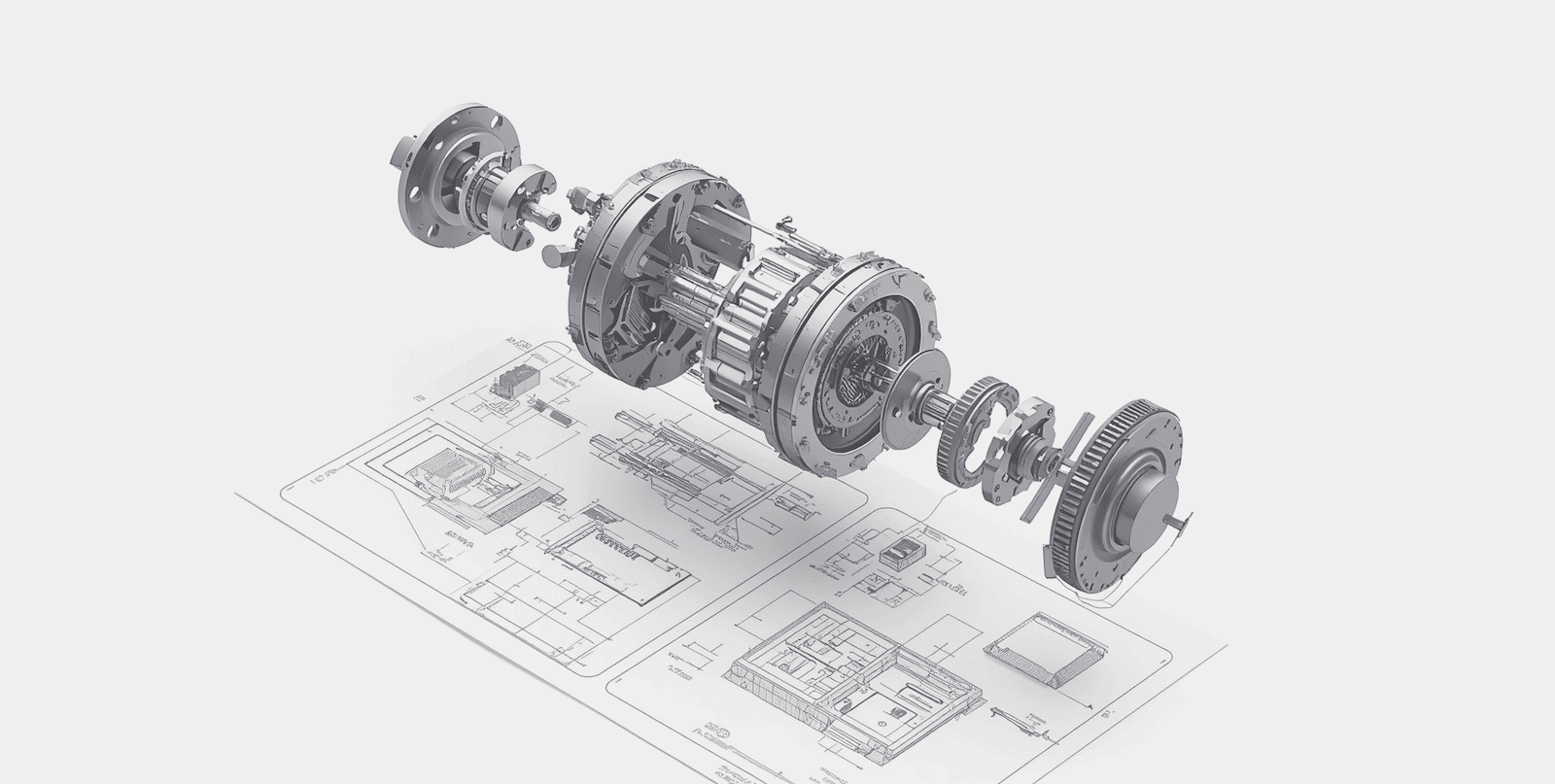
Tools like Autodesk Inventor, SolidWorks, and Fusion 360 enable teams to create detailed digital models of products—including components and assemblies—which can then be analyzed, tested, and adjusted—all before any physical production begins.
Key Benefits of Digital Prototyping
Cost Savings
One of the most significant advantages of digital prototyping is cost reduction. In traditional development, every design iteration requires a new physical prototype—an expensive process in terms of materials, manufacturing, and labor. Digital prototypes, on the other hand, can be updated quickly and modified without additional costs, enabling teams to test multiple design iterations virtually without producing physical parts.
Faster Iterations
Early-stage product development often involves several rounds of design and testing. With physical prototypes, this process can be slow and cumbersome. Digital prototyping accelerates this phase by allowing rapid design adjustments and instant feedback on performance. As a result, teams can refine their products in days rather than weeks or months, significantly reducing time to market.
Improved Collaboration Across Teams
Digital prototyping tools make it easier for designers, engineers, and stakeholders to collaborate throughout the development process. Teams can share 3D models in real time, review designs, and provide input remotely, ensuring everyone stays aligned. This increased transparency and collaboration help prevent misunderstandings and design errors that can delay projects.
Better Design Accuracy and Innovation
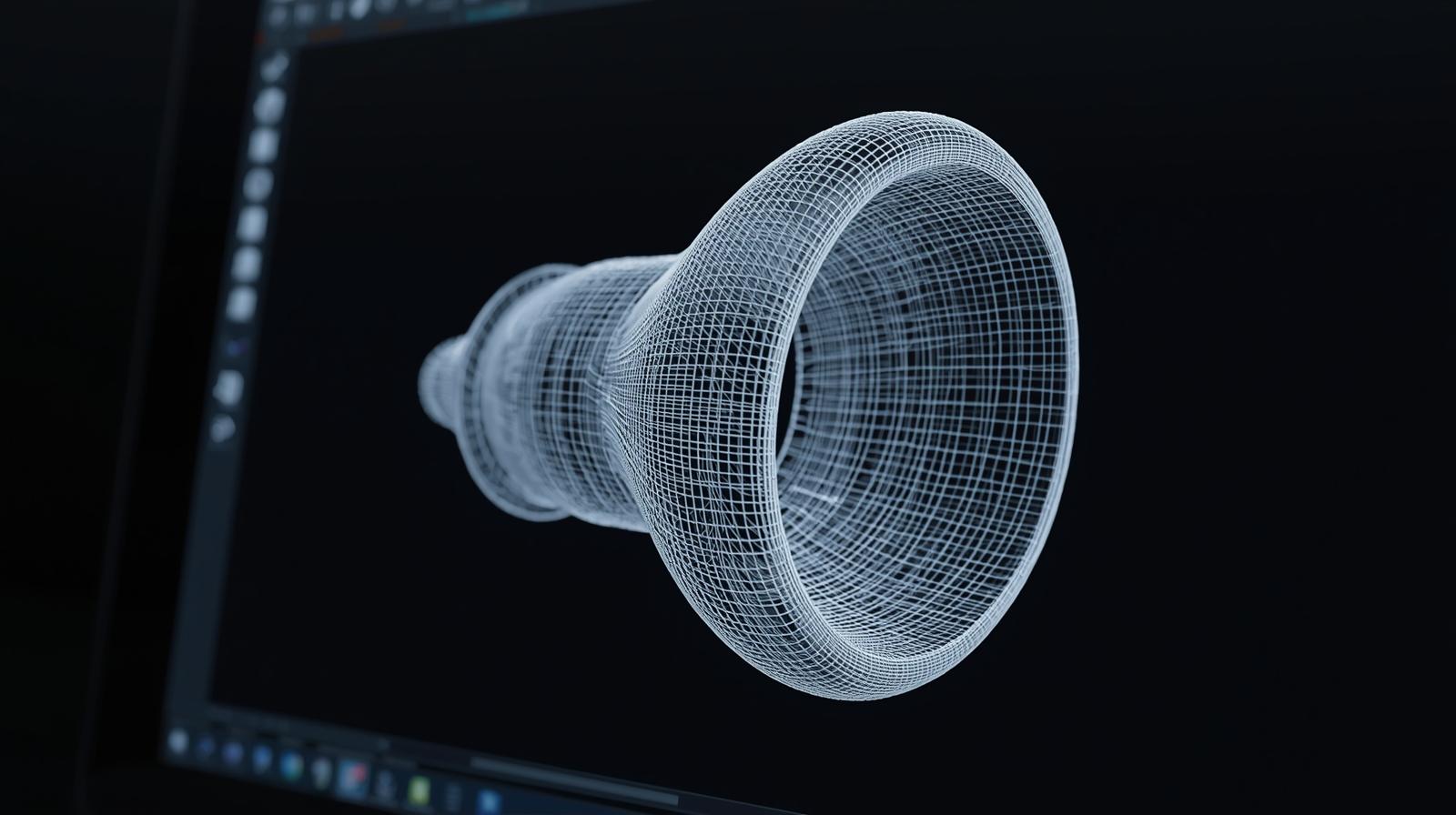
Digital prototyping enables highly accurate 3D models that simulate real-world conditions. With tools like finite element analysis (FEA) integrated into digital prototyping software, engineers can test how a product will respond to stress, heat, or vibrations without building a physical model. This level of accuracy reduces design risks and fosters innovation, allowing designers to explore bold ideas without the cost of failure.
Early Detection of Design Issues
Finding design issues early in the process is crucial for minimizing delays and cost overruns. Digital prototyping allows teams to detect and resolve issues virtually—such as component interference or structural weaknesses—before they become costly physical problems. Identifying these problems early helps avoid expensive redesigns later on.
Enhanced Customer Feedback
Digital prototypes aren’t just beneficial for internal teams—they also improve client and customer feedback. Sharing interactive 3D models or virtual mock-ups allows stakeholders to visualize products more effectively and provide input early, ensuring the final product aligns with expectations and reducing the need for major changes later in development.
Industries Benefiting from Digital Prototyping
- Automotive: Test aerodynamics, safety, and performance virtually to optimize design and fuel efficiency.
- Consumer Electronics: Design compact, efficient products that balance function, aesthetics, and cost.
- Medical Devices: Develop precise, reliable devices while testing durability, safety, and compliance.
- Aerospace: Simulate extreme conditions and performance scenarios, reducing reliance on costly physical tests.
Conclusion
Digital prototyping streamlines early-stage product development through cost savings, faster iterations, and greater design accuracy. By enabling virtual experimentation and testing, it shortens time to market and fosters innovation across industries, from automotive and electronics to medical and aerospace.
Contact Albus Engineering to discuss your next project. From design and analysis to final documentation, we’ve got you covered. Explore our services to learn more.
Share This Story, Choose Your Platform!
About the author : Albus Content Team